
If you’re the person who feels your stomach clench every time your phone lights up with the school’s number, wondering if it’s another call about your child’s behavior… you’re not alone.
Maybe you check your phone more than you’d like to admit, just in case. Maybe you rehearse what you’ll say before you even answer, bracing yourself for the careful tone of the teacher or counselor.
Maybe you’ve even found yourself holding your breath as you walk into the school office, scanning your child’s face for clues about what happened this time.
If you’re feeling like you’re the only parent who can’t seem to “get it right,” or like you’re failing your child because nothing seems to work, I want you to know:
I see you. And you are not alone.
You’re probably the type of person who reads every article, tries every sticker chart, and still lies awake at night wondering if you’re missing something important.
You want so badly to help your child feel safe, to be their anchor when the world feels too big, too loud, too much.
I know you crave a home that feels peaceful, not like a battlefield. I know you want to be the parent your child runs toward. Not the one they turn away from.

Why Traditional Discipline Wasn’t Working (And How I Learned to See Beneath the Surface)
Here’s the truth: If you’re getting those calls, if bedtime feels like a showdown, if you’re exhausted from trying to hold boundaries and “be consistent” while your child seems to unravel anyway. There’s nothing wrong with you. And there’s nothing wrong with your child. You’re both doing your best with the tools you have.
But maybe, just maybe, your approach needs a gentle rewiring.
What if your child’s outbursts aren’t defiance, but a cry for help from a nervous system in overdrive? What if their anger is really fear, and their “bad” behavior is just a signal that they need you closer, not further away?
I’ve been there. I remember the knot in my stomach, the shame, the confusion. I remember the moment I realized my child wasn’t broken, rather my approach was. That’s when everything changed.
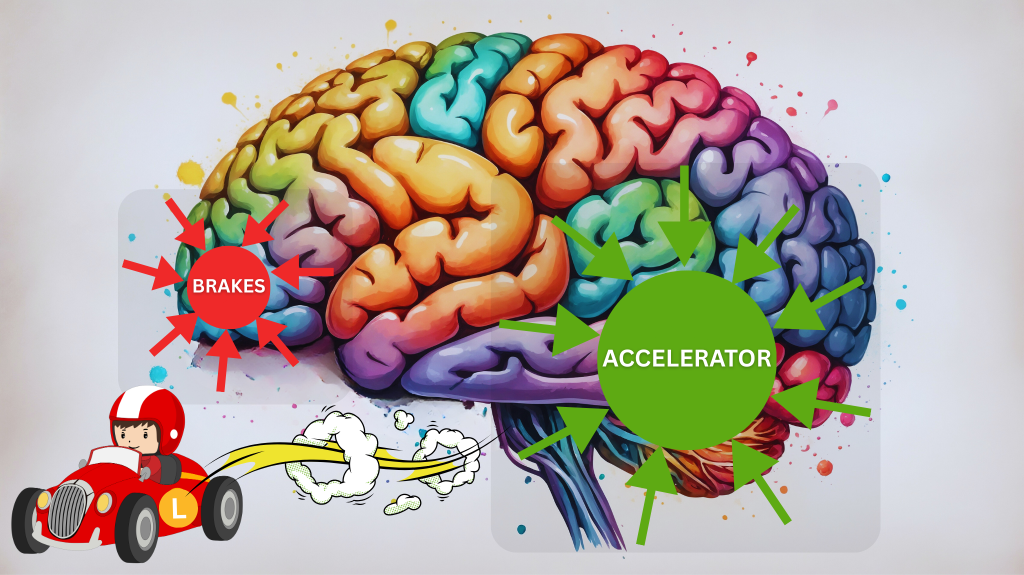
The Brain-Based Shift That Changed Everything
Children’s brains are still under construction. The emotional center (amygdala) is fully operational, but the reasoning part (prefrontal cortex) won’t mature until their mid-20s. This “accelerator before brakes” phenomenon means big feelings can easily overwhelm logic. That’s why our kids can go from zero to meltdown in seconds—it’s not manipulation or defiance, it’s neurobiology.
When I stopped trying to “fix” my child and started trying to understand him, everything shifted. I learned to see behavior as communication, not defiance. I learned that connection—not correction—was the real game-changer.
What Helped Us Heal: The Tools That Actually Work
Here’s what actually worked for us—and what I now teach other parents:
- Pause and Get Curious
Instead of reacting, I learned to ask: What’s happening for my child, not to me? This shift in perspective helped me see his behavior as a cry for help, not a personal attack.
- Regulate Myself First
When my child is in emotional distress or dysregulated, I have learned to practice deep breathing, grounding practices, and self-talk to stay steady. I have days where I fail at this, but I am much more skilled at keeping calm or calming myself down. His nervous system needs help from mine, and I can only really help when mine is regulated.
- Connect Before You Correct
I started using “Time-In” instead of “Time-Out”—sitting with or near my child, offering a hug or just my presence, and helping him name his feelings. This simple act of connection soothes his nervous system and builds trust .
- Using our senses to get back to calm
We use sensory tools, and activities to help his nervous system get to a place of calm. Pillow fights, big hugs or deep pressure, getting into water, listening to music, getting a snack.
- Reconnect After the Storm
After big emotions, we make time to repair and reconnect. A simple “I’m here, and I love you, no matter what” goes a long way.
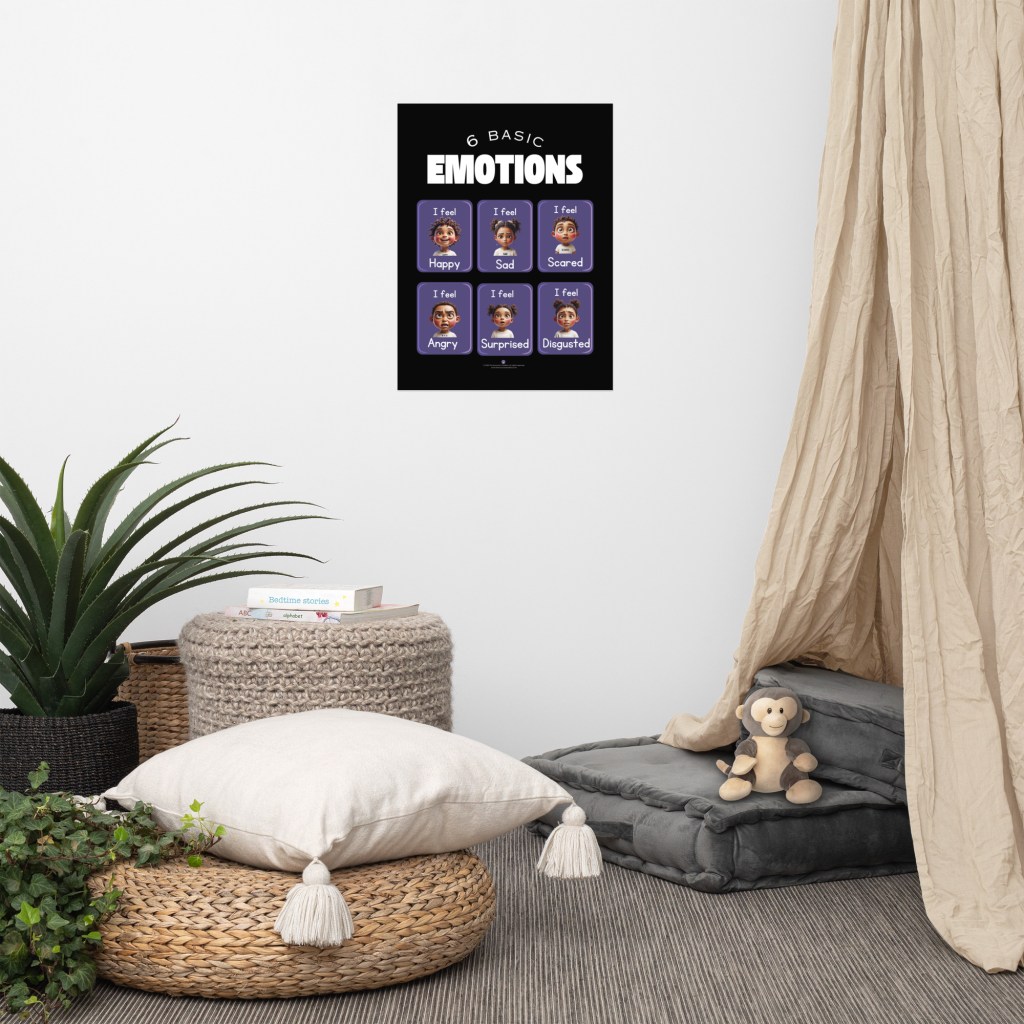
Our Real-Life Results: From Angry and Afraid to Connected
That rigid-bodied little boy who couldn’t look at me? Now, he turns to me when things get hard, because I finally learned to trust my instinct and found tools that actually worked with his brain, not against it.
He still has big emotions. He still sometimes has big behaviors. And yes, I still occasionally get those calls from school. But now, when that happens, he looks for my support—he melts toward me rather than shrinking away. That is a huge win to me, because I know that him being securely attached to me is a key part of building his emotional resilience and coping skills as he continues to mature.
This isn’t about “fixing” our kids or making every day perfect. It’s about giving them a safe place to land, even when things are messy. It’s about knowing that connection is the foundation for growth, and that every time my child chooses to come closer instead of pulling away, we’re both healing and growing stronger together.

What I Wish I’d Known Sooner!
Traditional discipline often misses the root cause.
Charts, consequences, and “consistency” matter. However they don’t reach a child whose nervous system is in overdrive. My kiddo was frequently in fight or flight mode especially at school.
Connection and co-regulation are essential.
When I became my child’s safe place again, everything changed. We are able to much more quickly figure out what needs he was trying to meet.
You don’t have to be perfect.
Your presence matters more than perfection. This child has taught me that I don’t have to get everything perfect or even right when his big feelings are activated. He needs me to be present. He needs connection.
Actionable Steps for Parents Facing the Same Struggle
Notice the Triggers
Keep a simple log of when big emotional outbursts happen. Patterns often reveal themselves (e.g., transitions, hunger, fatigue).
Practice “Time-In”
When your child is upset, sit with them, offer comfort, and help them name their feelings.
Create a Calm Corner
Set up a cozy space with sensory tools (soft toys, calming visuals, fidget items) for emotional resets.
Model Emotional Regulation
Narrate your own feelings and coping strategies out loud (“I’m feeling frustrated, so I’m taking a deep breath”).
Reconnect After Conflict
Always circle back with love and reassurance, reinforcing that your relationship is safe and secure.

Ready for Real Change?
Here’s Your Next Step
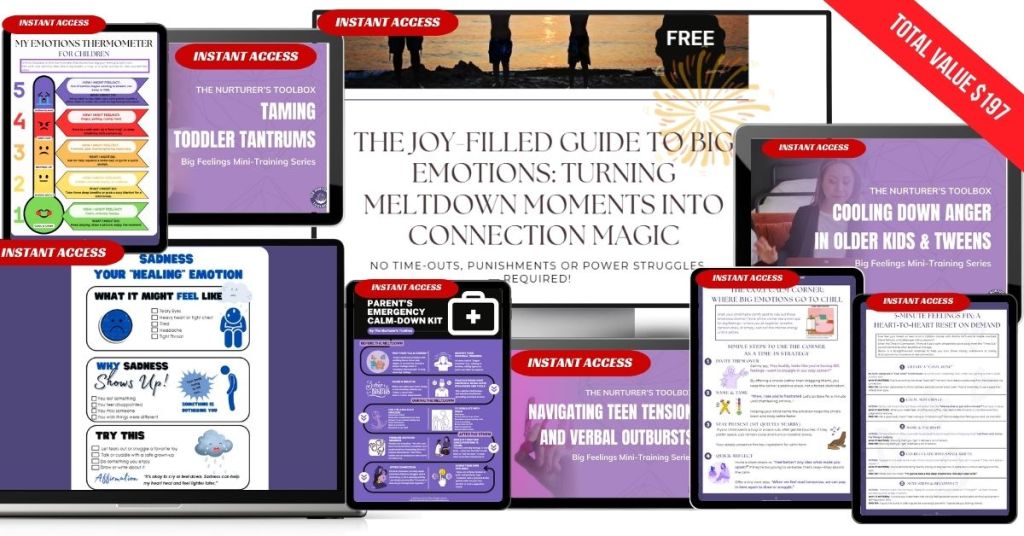
If you’re nodding along, wishing you had a roadmap for these tough moments, I created the Big Feelings Bundle just for you.
It’s a free toolkit packed with practical, science-backed resources to help you and your child feel seen, understood, and connected even on the hardest days.
And if you’re ready for a step-by-step, 5-day plan to go from meltdown mayhem to calm connection, my Rapid Tantrum-to-Time-In™ program is designed for you.
You’ll get daily bite-sized lessons, real tools and live support—so you feel empowered in the hard moments.

If you’ve ever felt like you’re the only one struggling, or you’re carrying the weight of every hard day on your shoulders, please know you’re not alone.
Every step you take to be your child’s safe place, no matter how messy or imperfect, matters more than you think.
I’d love to hear from you:
What’s one small moment when you showed up for your child, even if it didn’t go as planned?
Or, what’s one question you’re still holding onto about big feelings and connection?
Share your story, your question, or even just a “me too” in the comments.
I read every single one, and I’m cheering you on—because you and your child are worth it.
With you in this,
Sylvia